Decorative Concrete — Liberty, MO
Stamped and Decorative Concrete in Liberty, MO
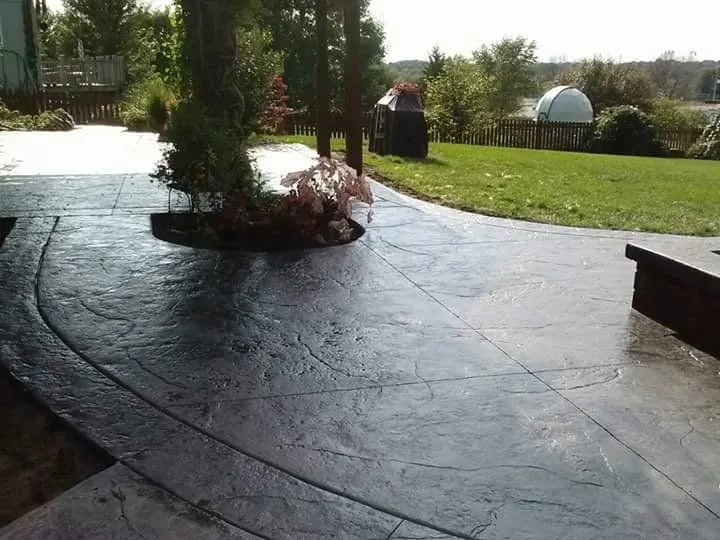
Stamped patterns, colored concrete, exposed aggregate, and decorative finishes for patios, driveways, pool decks, and outdoor entries — the same structural spec as plain concrete, with visual interest built into the surface.
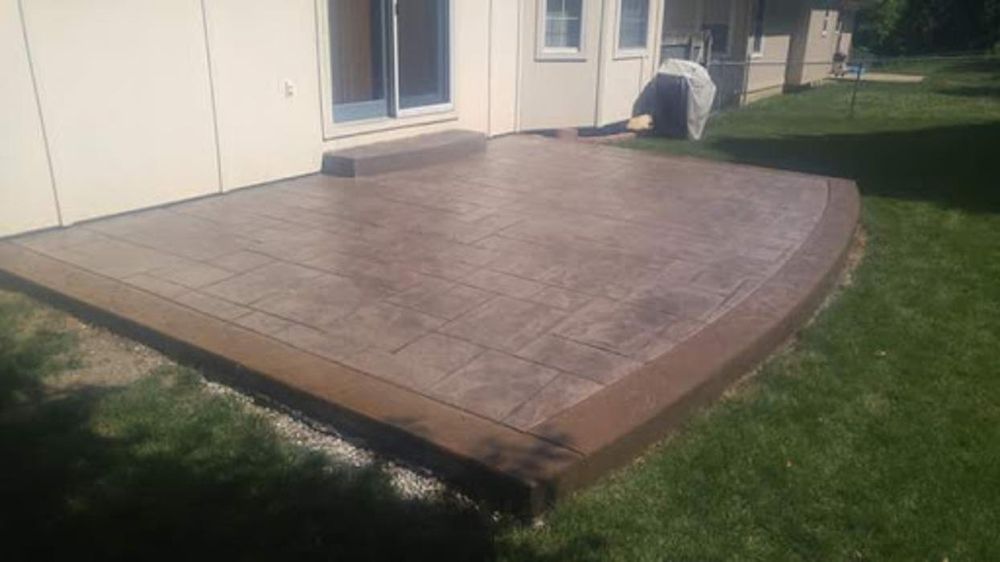
The Finished Result
Pattern and color that doesn't add maintenance complexity
Decorative concrete achieves the look of brick, slate, stone, or tile at a lower material cost and with simpler long-term maintenance than the real materials. The structural slab underneath follows the same spec as any plain concrete pour — what changes is the surface finish applied during the forming and finishing window.
Request Free EstimateService Overview
What we do on decorative concrete projects
We install stamped concrete, colored and stained concrete, and exposed aggregate finishes on patios, pool decks, driveways, front entries, and outdoor dining areas. Pattern and color options are reviewed before the pour is scheduled — what you see is what gets poured.
- Stamped patterns: ashlar, cobblestone, slate, brick, wood plank
- Colored concrete with integral pigment
- Acid staining for existing concrete (resurfacing context)
- Exposed aggregate finishes for texture and depth
- Decorative borders on plain slabs
- Pool deck and patio decorative work
Common Use Cases
Common reasons to schedule this work
Upgrading a patio with pattern and color
A plain grey patio is functional, but stamped concrete with a slate or stone pattern and complementary color transform the same slab into a focal point of the outdoor space.
Front entry statement
The front entry walkway and approach are the first thing visitors see. A decorative concrete entry — stamped, bordered, or colored — improves curb appeal without the maintenance demands of brick or natural stone.
Pool deck enhancement
Pool decks benefit from decorative finishes that add visual interest to a surface that's otherwise just grey. Stamped patterns with texture also improve slip resistance.
Outdoor dining and living areas
Outdoor dining areas, fire pit surrounds, and covered patio floors are where decorative concrete has the most visual impact — people spend time there and notice the surface.
Matching the look of pavers without the maintenance
Pavers shift, sink, grow weeds between joints, and require periodic re-leveling. Stamped concrete achieves a similar visual result with a single monolithic pour that doesn't move, separate, or require joint maintenance.
Technical Standards
What matters on stamped & decorative concrete projects
Timing of stamping
Stamping must happen at a precise window — after the concrete is placed and screeded but before it sets. The window varies with temperature and humidity. Stamping too early or too late produces poor pattern definition. We monitor conditions and pour accordingly.
Pattern selection before the pour
Pattern choice is made before the pour is scheduled, not on pour day. We can show you physical samples of patterns and color options so you're seeing the actual result, not a photograph.
Colorant vs. acid stain
Integral colorant is added to the concrete mix before the pour — color goes through the entire slab. Acid stain is applied after the slab cures and reacts chemically with the concrete surface. Both produce durable color; the processes and results differ.
Sealer selection and maintenance
Decorative concrete requires sealing after the initial cure, and periodic resealing to maintain color and protection. Sealer selection matters — pool decks need chemical-resistant sealer; driveways need traffic-resistant sealer. We seal as part of the project and advise on maintenance.
Same structural spec underneath
Decorative finishes are surface treatments on a standard concrete pour. Subbase compaction, mix design, air entrainment, control joint placement — all the structural elements apply exactly as they would on plain concrete.
Liberty, MO Context
Local conditions that affect stamped & decorative concrete in the Northland
Missouri clay soil and subbase movement
Liberty's clay-heavy soil expands when wet and contracts in dry periods. That seasonal movement puts stress on concrete slabs that don't have a properly compacted, stable base beneath them. Subbase preparation determines whether a pour holds up for decades.
Freeze-thaw cycling
The Kansas City metro sees 20 to 30 freeze-thaw cycles in a typical winter. Concrete poured without proper air entrainment absorbs water, which expands when frozen and damages the slab. Air-entrained mixes for exterior pours are non-negotiable in Missouri's climate.
Drainage and slope
Standing water on exterior concrete accelerates freeze-thaw damage and creates safety hazards. We grade every pour to drain away from structures and confirm drainage direction before forming begins.
Deicer and salt exposure
Road salt and deicing chemicals accelerate surface scaling, especially on concrete that wasn't sealed or wasn't fully cured before cold weather arrived. We seal exterior pours as part of the project and provide deicer guidance for the first winter.
The Process
From first call to finished concrete
Call or submit a request
Call (816) 670-4811 or fill out the estimate form. We confirm your area and project basics, then respond same day during business hours.
Free on-site estimate
We come to your property, assess the scope and site conditions, and review subbase and drainage. No charge, no obligation.
Written scope
You receive a written estimate covering the full scope, materials, finish, timeline, and price before any work is agreed. No surprises after the pour.
Prep, form, and pour
We handle site preparation, forming, and the concrete pour to spec — mix design, control joints, finish, and curing management.
Curing and walkthrough
We walk the finished work with you before we leave. Curing instructions and use timelines are included. Questions get answered on site.
How much does stamped concrete cost compared to plain concrete?
Stamped concrete typically costs $4–$8 more per sq ft than plain broom-finish concrete. That premium covers the stamp tools, colorant, and the additional labor during the finishing window. Compared to pavers or natural stone, stamped concrete usually comes in lower both installed and in long-term maintenance.
Can existing plain concrete be stamped or decorated later?
Plain concrete that has already set cannot be stamped — stamping only works on fresh concrete during the pour. Existing concrete can be overlaid with a thin decorative resurface layer, or acid-stained if the surface is in good condition. We can advise on what's applicable based on the existing slab's condition.
How long does the color last?
Integral colorant is UV-stable and doesn't fade significantly if the slab is sealed and resealed periodically. Acid stain achieves a permanent chemical reaction with the concrete — the color itself doesn't fade, though the sealer protecting it does need refreshing. We give you a maintenance schedule at project completion.
What if the stamped concrete gets damaged?
Decorative concrete can be repaired, but repairs are visible — color and pattern matching after a repair is imperfect. That's the trade-off with decorative work, and it's worth knowing before the pour. Serious structural damage typically requires section replacement.
Does stamped concrete get slippery when wet?
Plain stamped concrete with a smooth release can be slippery when wet. Broom-textured stamped patterns and certain stamp designs provide better grip. We choose patterns and sealers with slip resistance in mind, particularly for pool decks and entries.
We provide stamped & decorative concrete in:
All service areas →Free estimate on your Liberty decorative concrete project
We review pattern and color options on-site before any work is scheduled.