Residential Concrete — Liberty, MO
Retaining Walls in Liberty, MO
Poured concrete retaining walls for sloped yards, patio terracing, grade changes, and landscape structure — with the drainage behind the wall designed as part of the project, not as an afterthought.
The Finished Result
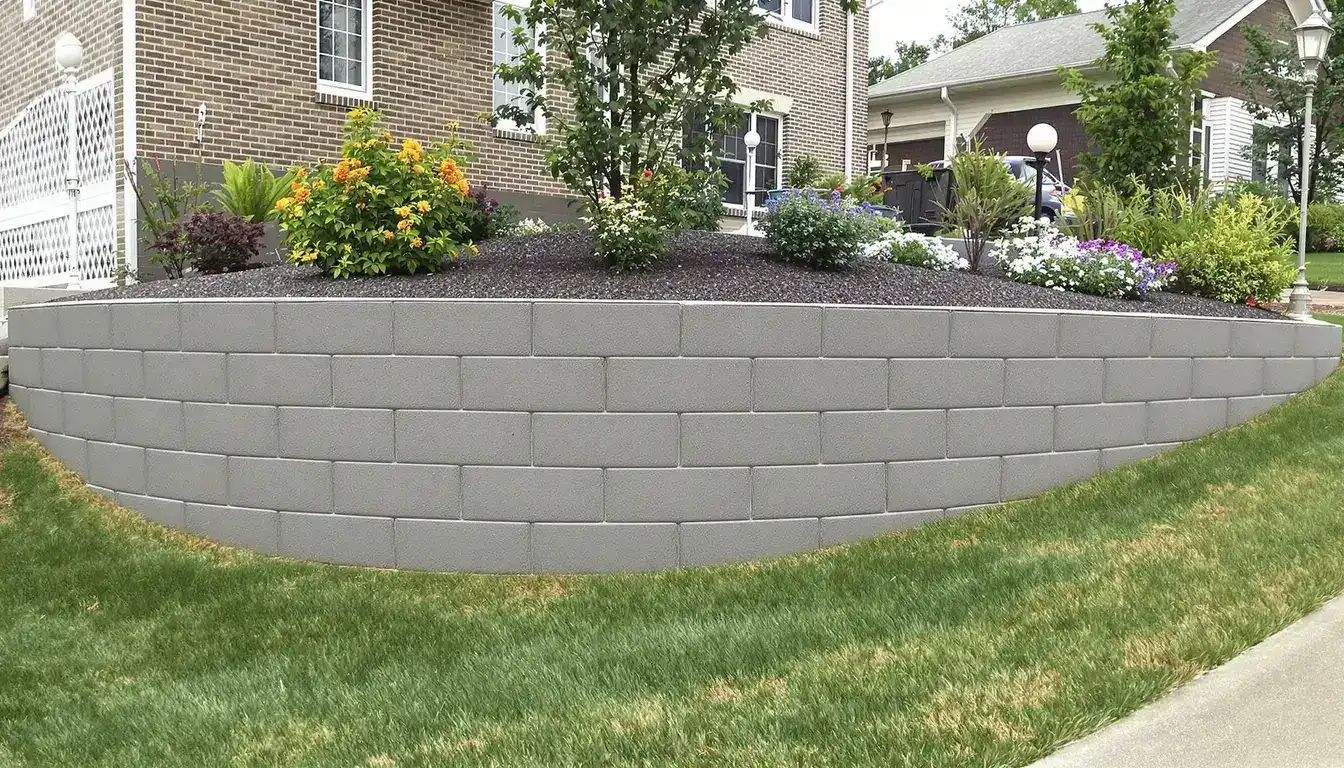
Usable yard space where there used to be a slope
A well-built retaining wall converts a sloped, hard-to-use yard section into a level, functional outdoor space. Whether that space becomes a patio, a garden bed, or just flat lawn, the wall creates the structure that makes it possible. Drainage behind the wall keeps soil pressure manageable and protects the wall's integrity over time.
Request Free EstimateService Overview
What we handle on retaining wall projects
We pour concrete retaining walls for grade changes ranging from a few feet to larger terracing projects. Most walls tie into adjacent patios, driveways, or yard features. We handle the excavation, footing, forming, pour, and drainage behind the wall as a complete project.
- Poured concrete retaining walls for sloped yards
- Patio terrace creation with wall systems
- Grade change management along driveways
- Landscape definition and raised planting bed borders
- Replacement of failed block or timber walls
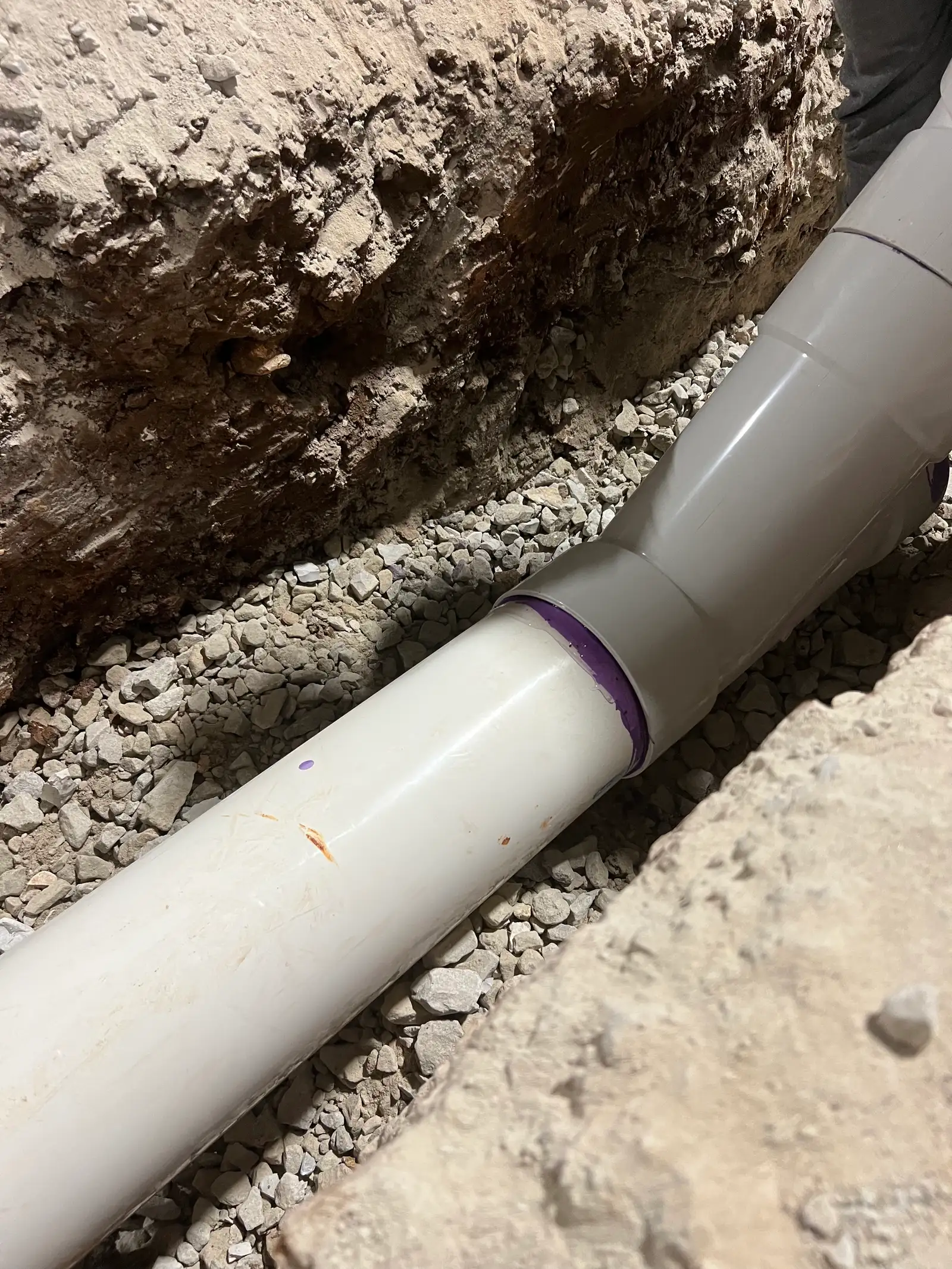
- Drainage integration behind wall structures
Common Use Cases
Common reasons to schedule this work
Converting a sloped yard into usable outdoor space
Many Liberty-area lots have slope that makes the backyard awkward for outdoor use. A retaining wall creates a level terrace — whether that becomes a patio, a flat lawn section, or a garden area.
Creating a patio terrace
When a yard slopes away from the house, a retaining wall creates the level pad needed for a patio. Wall and patio are often poured as a connected project.
Managing grade change along a driveway
Driveways that cut into a grade often need a retaining wall to hold the cut face. Without it, soil erodes onto the driveway and the grade slips.
Replacing a failed wall
Older concrete block or timber retaining walls fail over time, particularly when drainage behind them wasn't addressed at installation. Replacement with a properly drained poured wall solves the problem long-term.
Landscape and garden structure
Shorter retaining walls define garden beds, create raised planting areas, and add visual structure to a landscape. Even a 12–18 inch wall can significantly organize a yard.
Technical Standards
What matters on retaining walls projects
Drainage behind the wall
Soil behind a retaining wall saturates during rain, creating hydrostatic pressure against the wall. Without drainage — perforated pipe, gravel backfill, or weep holes — that pressure builds until the wall fails. Drainage is designed before the pour, not added later.
Footing depth and frost line
Retaining wall footings must extend below Missouri's frost line (approximately 36 inches) to prevent frost heave from lifting the base of the wall. Shallow footings are the most common cause of wall movement in this climate.
Wall height and reinforcement
Taller walls carry more soil pressure and require reinforcement — rebar embedded in the wall to handle the lateral load. Walls over 4 feet typically require engineered design. We discuss height and reinforcement requirements at the estimate.
Soil pressure and surcharge
Soil pressure against the wall increases with height and with any surcharge load above the wall — a fence, a driveway, or a structure. We factor surcharge into wall design before the pour.
Batter and wall geometry
Retaining walls are often poured with a slight lean into the hillside (batter) to resist soil pressure more effectively. Wall geometry depends on height, soil type, and drainage conditions.
Liberty, MO Context
Local conditions that affect retaining walls in the Northland
Missouri clay soil creates high lateral pressure
Clay soil holds water longer than sandy or loamy soils, creating sustained hydrostatic pressure behind retaining walls. Drainage behind the wall is particularly critical in clay-heavy Northland soils.
Frost depth affects footing requirements
Missouri's frost depth (~36 inches) means retaining wall footings need to go deep enough to avoid frost heave pushing the base of the wall. Footings that are too shallow are the most common retaining wall failure mode in this climate.
Spring rain and saturated soil
Missouri springs bring sustained rainfall that saturates the soil behind retaining walls. A properly drained wall manages this without pressure buildup. An undrained wall faces its highest pressure exactly when the ground is wettest.
The Process
From first call to finished concrete
Call or submit a request
Call (816) 670-4811 or fill out the estimate form. We confirm your area and project basics, then respond same day during business hours.
Free on-site estimate
We come to your property, assess the scope and site conditions, and review subbase and drainage. No charge, no obligation.
Written scope
You receive a written estimate covering the full scope, materials, finish, timeline, and price before any work is agreed. No surprises after the pour.
Prep, form, and pour
We handle site preparation, forming, and the concrete pour to spec — mix design, control joints, finish, and curing management.
Curing and walkthrough
We walk the finished work with you before we leave. Curing instructions and use timelines are included. Questions get answered on site.
How tall can a concrete retaining wall be?
Concrete retaining walls up to 4 feet are common residential projects. Taller walls — up to 6–8 feet — are possible with appropriate reinforcement. Walls over 4 feet typically involve engineering review and may require permits. We discuss height, reinforcement, and permit requirements at the estimate.
Do retaining walls need drainage?
Yes. Drainage behind the wall is essential — perforated pipe in gravel backfill, or weep holes through the wall face. Without it, hydrostatic pressure from saturated soil will eventually crack or topple even a well-built wall. We design drainage as part of the wall project.
How much does a concrete retaining wall cost in Liberty, MO?
Retaining wall cost depends on height, length, and drainage requirements. A basic 2-foot landscape wall runs $30–$50 per linear foot. Taller walls with drainage and reinforcement run $60–$100+ per linear foot. We estimate on-site based on your specific grade change and conditions.
Can you pour a retaining wall and a patio at the same time?
Yes, and that's often the most practical approach. The retaining wall creates the level area; the patio is poured on top once the wall is cured. Coordinating both as a single project simplifies scheduling and ensures the patio ties into the wall correctly.
What's the difference between a poured concrete wall and a block retaining wall?
Poured concrete is a monolithic structure with no joints — it's generally stronger and more waterproof than a block wall. Block walls can be DIY-built and offer more visual flexibility, but they have more mortar joints that can deteriorate and fewer drainage options. For structural retaining walls in clay soil, poured concrete is typically the more durable choice.
We provide retaining walls in:
All service areas →Free estimate on your Liberty retaining wall project
We assess grade change, drainage requirements, and wall height on-site.